
Treats & toppers
Liver Treats for Dogs: Benefits, How Many to Give, and How to Choose
In this article
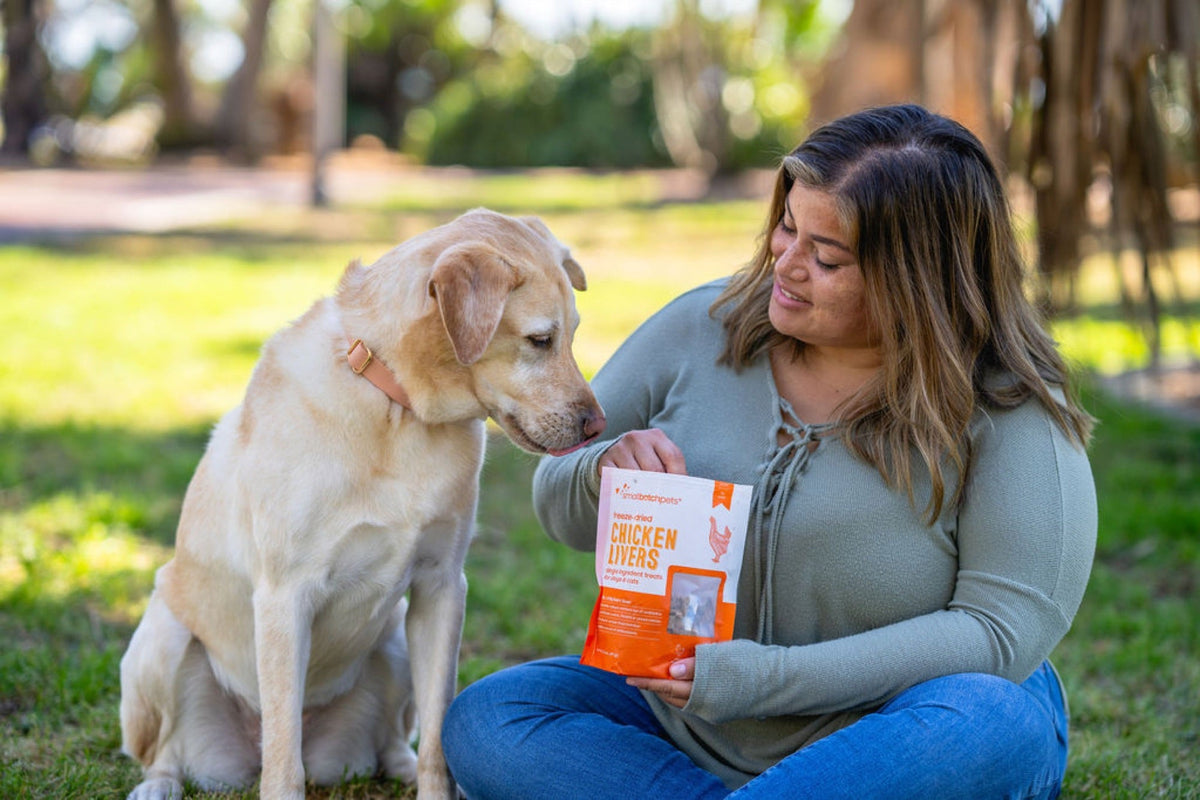
Ask any dog trainer for their go-to high-value reward and there is a good chance the answer is liver. It is rich, aromatic, and one of the most nutrient-dense foods you can give your dog.
Here is what makes liver treats so good, how many to give, and what to look for when you buy them. Shop our freeze-dried liver treats for dogs and cats.
Are Liver Treats Good for Dogs?
Yes, in the right amounts. Liver is an organ meat that is naturally rich in:
- Vitamin A, which supports vision, skin, and immune function
- Iron and other minerals
- B vitamins
- High-quality protein
In the wild, organ meats are some of the first parts of prey that carnivores eat. Liver treats are an easy way to bring some of that nutrient density into your dog’s routine. Learn more in why organ meats belong in the bowl.
How Many Liver Treats Can a Dog Have?
Because liver is so rich in vitamin A, it should be a treat, not a meal. A good rule of thumb is that all treats together should make up no more than about 10% of your dog’s daily calories.
Here is how our freeze-dried liver treats compare:
| Liver treat | Calories per treat |
|---|---|
| Goat liver | About 3.5 |
| Bison liver | About 3.7 |
| Chicken liver | About 9 |
| Beef liver | About 9 |
| Pork liver | About 9 |
| Duck liver | About 10 |
| Lamb liver | About 10 |
For training sessions with lots of repetitions, break treats into smaller pieces.

What to Look for in a Liver Treat
- One ingredient. The only thing on the label should be liver.
- A named animal. “Beef liver,” not “meat by-products.”
- Thoughtful sourcing. Look for humanely raised animals and clear sourcing standards.
- No added preservatives, colors, or flavors. Freeze-dried liver doesn’t need them.
- A protein that fits your dog. Dogs with sensitivities may do best with a novel protein like goat or bison.
Freeze-Dried vs Other Liver Treats
Freeze-drying removes moisture at low temperatures without cooking, so the liver keeps its natural flavor and aroma. The result is a light, crisp treat that is easy to break, shelf-stable, and mess-free in a treat pouch.
Ways to Use Liver Treats
- Training: a small piece is a powerful, high-value reward.
- Meal topper: crumble a treat over dinner for picky eaters.
- Enrichment: hide pieces in a puzzle toy or snuffle mat.
- Vet visits and grooming: a reward that makes stressful moments a little easier.
All of our liver treats are suitable for both dogs and cats.
Frequently Asked Questions
Are liver treats good for dogs?
Yes. Liver is naturally rich in vitamin A, iron, B vitamins, and protein. Because it is so nutrient-dense, feed it as a treat in moderation rather than as a meal.
How many liver treats can I give my dog a day?
Keep all treats to about 10% of your dog’s daily calories. Our freeze-dried liver treats range from about 3.5 to 10 calories each, depending on the protein, so smaller dogs need fewer.
Can dogs eat too much liver?
Yes. Liver is very high in vitamin A, and too much over time can be harmful. Treats in moderation are fine for most dogs. Talk to your veterinarian if you plan to feed liver regularly in larger amounts.
What is the best liver treat for dogs with sensitivities?
A single-ingredient liver treat from a protein your dog tolerates well. Novel proteins like goat or bison can be a good option for dogs with sensitivities.
Are freeze-dried liver treats safe for puppies?
Many puppies enjoy freeze-dried liver as a training reward. Break treats into small pieces and keep total treats within about 10% of daily calories.
Shop the article
Put it in the bowl
Freeze-Dried Raw
Freeze-Dried Beef Liver Treats
Freeze-Dried Raw
Freeze-Dried Bison Liver Treats
Freeze-Dried Raw
Freeze-Dried Duck Liver Treats


Keep reading
All articles-

Halloween Pet Safety: 6 Tips to Keep Your Dog or Cat Calm
Doorbells, costumes, and candy can make Halloween stressful for pets. Here are six simple ways to keep your dog or cat calm and safe all night.
-

Is Bone Broth Good for Cats? Benefits and How to Serve It
Bone broth is an easy way to add moisture and flavor to your cat’s bowl, as long as it’s made for pets. Here’s what to know.
-

What to Feed a Picky Dog: Tips That Actually Work
Picky eating is frustrating, but it’s usually fixable. Here’s why dogs get picky, what to feed them, and how to make mealtime exciting again.


